
The Teaching Commission 2026
4 February 2026
By Angelina Idun

Last year, I had the pleasure of joining The Teaching Commission, chaired by former NEU joint general secretary Professor Mary Bousted and supported by the major teaching unions and other partners. The Commission’s remit for 2025 was to examine the root causes of the teacher recruitment and retention crisis and identify practical, actionable recommendations to make teaching an attractive, sustainable profession again.
Our work led to the report Shaping the Future, launched at the Festival of Education last summer, and since then it has informed discussions about the future of teaching across the sector. If you haven’t read it yet, I’d really encourage you to. It draws on powerful witness evidence from stakeholders across the sector and offers clear, practical recommendations for government, policymakers and school leaders.
Importantly, the report reflects the voices of teachers and leaders themselves. Throughout the inquiry, we listened carefully to those working in schools, because they understand the realities of the job and what needs to change. We are particularly grateful to colleagues from SSAT member schools who took part in focus groups with Mary Bousted and completed our survey. Your insights and experiences shaped both our analysis and our recommendations.
The Commission reconvened in January to start a new inquiry. In the coming months, we will be looking at the conditions and resources, professional, physical and financial, that will be needed to ensure the successful implementation of the revised National Curriculum in 2028. While curriculum reform is moving ahead, there is little sign of government thinking about what effective implementation will require in practice. Our aim is to address that gap.
Key questions for the Commission include:
- What are the implications of the Curriculum and Assessment Review for teacher supply, including initial teacher training, retention and turnover?
- How can we ensure there are enough subject specialists at secondary and generalists at primary to deliver the revised curriculum effectively?
- What are the time resources which must be made available to the profession to enable them to implement the revised National Curriculum well?
- What professional development and training will be teachers and leaders need to feel involved, informed, confident, and prepared in teaching and leading the revised National Curriculum?
- What additional funding will schools require to implement the curriculum successfully?
- What forms of evaluation should be developed to gauge the success of the reforms?
- What role might technology, including AI, play in supporting inclusive, efficient, manageable development and delivery?
- What needs to be in place to ensure the implementation is ethical, professionally enriching, and enjoyable for teachers?
At the heart of this inquiry is a simple principle: reform will only succeed if the profession is meaningfully engaged. We want to explore how teachers’ professionalism and agency can be strengthened, to ensure the new curriculum is taught by a workforce that is properly prepared, supported and qualified.
February’s Teaching Commission session, will look specifically at continuing professional development (CPD), and we’d really appreciate hearing your thoughts on some of the questions we will be exploring:
- How do teachers and leaders currently access professional development in your school, trust, or federation?
- How adequate is CPD provision, and what more is needed?
- What specific challenges exist in relation to CPD in different types of schools in different contexts?
- Are there particular preferences for how CPD is delivered?
- In your opinion, what CPD would be most beneficial to ensure teachers and leaders feel confident, informed, and prepared to deliver the revised National Curriculum?
- How should teachers and leaders be involved in developing CPD?
Your experience and insight matter enormously. Please share your views with us so we can ensure the voices of teachers and leaders in the SSAT network and beyond continue to be heard by the Commission.
Angelina Idun, Director, SSAT
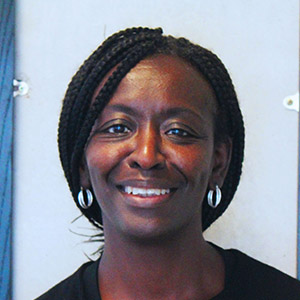
Angelina was Director of School Improvement from 2017 to 2026. Her previous roles included Acting Principal and Senior Vice Principal. Angelina’s leadership career has been largely focused on south London schools in diverse, vibrant, challenging contexts. Angelina is driven by an unwavering belief in the difference a high-quality learning experience makes to the life chances of young people. She has extensive experience of developing teachers and leaders at all levels, nationally and internationally, and is an experienced, qualified coach.
