

This is the first of three blogs by Marius Frank, introducing a powerful reframing of how we understand disability in education.
Traditionally, disability has been defined through the Medical Model, which focuses on a person’s diagnosis and limitations. In contrast, the Social Model argues that people are disabled not by their conditions, but by the environments, systems, and attitudes that create barriers to participation.
Marius extends this thinking by highlighting a large but often overlooked group of children who are “disabled by circumstance.” These are pupils who may not have a formal diagnosis of SEND, and yet face barriers just as limiting—poverty, trauma, adverse childhood experiences, racial inequity, or in some cases undiagnosed or unidentified SEND. These factors significantly increase the likelihood of poor attainment, exclusion, and long‑term disadvantage.
By adopting the phrase “disabled by circumstance,” Marius shows how systemic inequalities mirror the disabling effects traditionally associated with SEND. Importantly, many of the solutions used to support neurodiverse learners – for example, the use of Assistive Technologies – can also transform outcomes for disadvantaged students who struggle with literacy, numeracy, or communication.
Comparing the Medical Model of Disability to the Social Model
The traditional model for understanding disability, referred to as the Medical Model of Disability, focusses upon the features or symptoms of a disabled person’s condition in order to define their disability. Of course, diagnostic medicine and treatment is enormously valuable; but it is not without its limitations. The medical model of disability is in many ways implicitly defeatist and rigidly fundamental. It frames disability in opposition to non-disabled individual in terms of incapacity, by the things a disabled person cannot do (fig. 1)
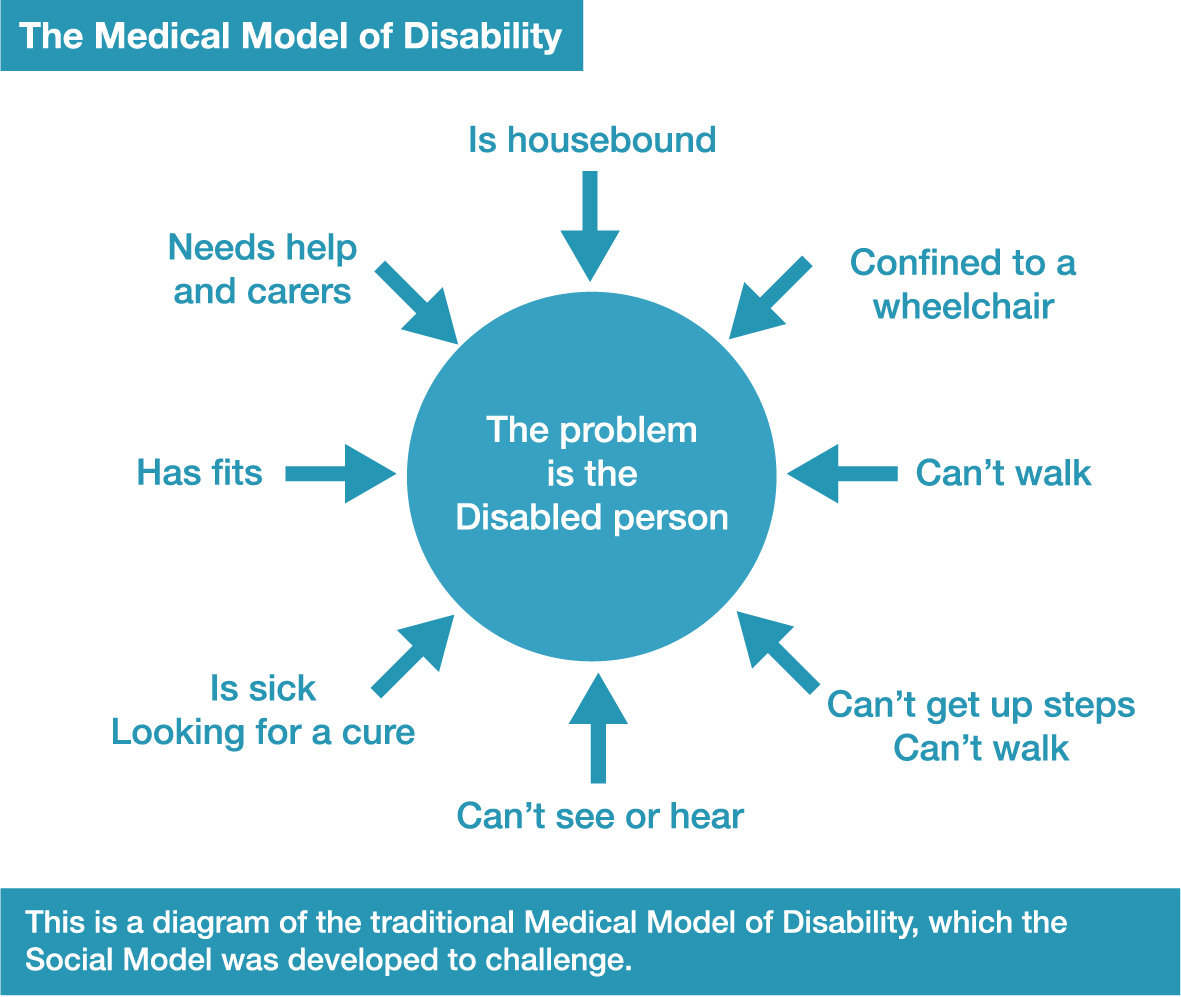
(fig. 1) The Medical Model of Disability, courtesy of Inclusion London
The Social Model of Disability, by contrast, reframes our understanding of disability, saying that it is instead inequitable physical, social and cultural conditions within our society which disables people.
Rather than suggesting disabled people are necessarily incapable of doing certain things, the social model asks us to consider the ways in which disabled people are prevented from doing things by environments and attitudes which exclude them – or, in other words, renders them ‘disabled by circumstances’ (fig. 2).
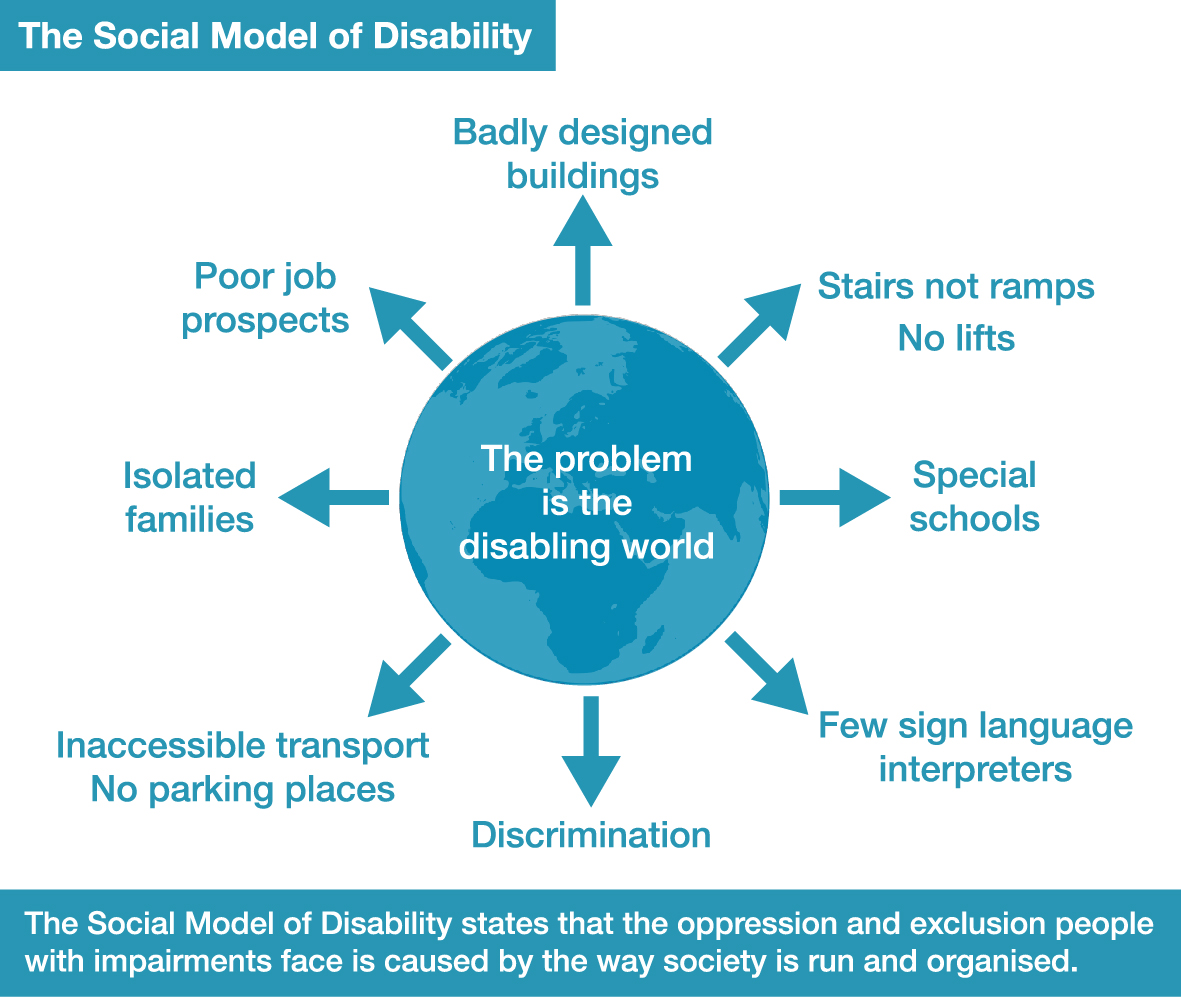
(fig. 2) The Social Model of Disability, courtesy of Inclusion London
What do we mean by “Disabled by Circumstance”?
The case I wish to put forward is that in education, there are undoubtedly children ‘disabled by circumstances’ who fall outside of medical definition of disability but who equally require special support.
Our country’s poorest children, those eligible for Free School Meals (FSM), are four times as likely to be excluded as those not eligible, and FSM-eligible students have seen their academic attainment trend downwards over recent years.
Children who have suffered degrees of childhood trauma and other ACEs (Adverse Childhood Experiences) often find school a “re-traumatising” experience, especially if their hyper-reactive internal defence mechanisms are “triggered” by teachers following rigid behaviour management policy.
I am conscious that I am stepping into an arena of contended identities, where people are, understandably and reasonably, protective over language, their sense of self and community.
However, I think the concept of “Disabled by Circumstance” works for three reasons:
1 It’s the environment, not the individual
Firstly, because the Social Model of Disability dictates that the environment rather than the individual is responsible for their ‘disability’, it opens up the opportunity to speak about disability (in terms of the barriers to life and learning that hold children back) without stigmatising or labelling individuals. And by using the term “environment”, it invites us to consider the culture and climate of the classroom, and teacher behaviours rather than just those of children.
2 Collisions of Needs
Secondly, some children are doubly or triply disadvantaged through collisions of needs. For example, of the UK’s youth justice population, it is estimated that as much as 80% have some degree of SEN. But that is not the full story. SEN is often conflated by structural disadvantage (such as poverty and race), the impact of childhood trauma and other medical conditions (such as foetal alcohol syndrome). If we do not embrace a holistic view of disadvantage, expected progress in one area such as attendance can be undermined or blocked because another systemic barrier has not been considered.
3 Different “Needs” – Same Solutions
Thirdly, I believe the term ‘disabled by circumstance’ has value because the viable and effective solutions the issues are often the similar. The great strength of the Social Model of Disability is that it allows us to identify common barriers and to look for innovative solutions in order to help remove or alleviate them. By including individuals ‘disabled by circumstance’ it becomes clear that many of the same solutions can help individuals who are ‘disabled’ by other non-medical circumstances and factors. In our case, at Microlink, those solutions primarily take the form of Assistive Technologies (like text-to-speech, mind-mapping apps, etc.) deployed in mainstream classrooms, so that they are as available as a pencil and paper.
Now, clearly we as teachers cannot address the complexities of social issues which produce the disabling conditions that can lead to poor academic attainment and exclusions. However, we can help to make the classroom a more equitable space that caters to the specific needs of larger groups of children.
There cannot be equality in classrooms when some children enter them from a position of significant disadvantage to their peers. What is required is equity, through “baked-in” support following the principles of universal design to help those who require help the most. For example, Assistive Technologies deployed in mainstream classrooms offer enormous potential to help support any disadvantaged student who struggles with numeracy, literacy and communication. In doing so, it can help children ‘disabled by circumstances’, who so often feel left behind and overlooked, to build confidence and independence.
Our system of education prepares children and young people in a way which, for better or worse, can shape their entire adult lives. By adopting the social model of disability widely in education, by understanding that some children are ‘disabled by circumstance’, we can identify the conditions that put significant clusters of children at a disadvantage in the classroom. We can then clearly identify the “circumstances” that are within our power to change.
The latest government stats on exclusions and suspensions can be found here. I invite you to explore the over-representation of SEND and Free School Meals in the national picture: Suspensions and permanent exclusions in England, Autumn term 2024/25 – Explore education statistics – GOV.UK
This piece of research highlights the tragic collisions of needs that frame young people in youth justice pathways, by Dr Alec Chard for West Midlands Combined Authority: Punishing Abuse: Response
Please share this blog with colleagues. Perhaps this could be the source of debate with Leadership Teams and at Governance level?
And please leave comments. I would love to know your thinking.
In my second blog, I am looking to put a wrecking ball through the use of the word “inclusion”, but replace it with the phrase “making learning accessible”… this might be a little bit more provocative!
Marius Frank, Co-Head of Education at Microlink PC UK Ltd, is a pioneering educational leader with a background in Brain Sciences and neurophysiology. He has held senior roles including Headteacher, CEO of ASDAN Education and strategic lead at Achievement for All, driving national school improvement and inclusive practice. Marius champions Assistive Technologies, trauma-informed practice, and systemic innovation, notably through the Be ThAT Teacher and Raising Attainment with Wellbeing programmes. He is currently developing the “Neuroinclusive Classroom,” integrating AI and neuroinclusive practice to make learning genuinely accessible for all.
Leading Inclusion and SEND in Mainstream Secondary Schools
A practical, collaborative and solution focused programme for SEND leaders.
